
Understanding the Role of Superabrasive Tool Applications

When you dive into industries that work with tough materials like glass, ceramics, or specialty alloys, you quickly realize the importance of having the right tools. Superabrasive tools are game-changers in these fields. They offer precision, durability, and efficiency that traditional abrasives simply can’t match. If you’ve ever wondered how manufacturers achieve such fine finishes or cut through the hardest materials, superabrasive tools are often the secret behind those results.
Let’s explore what makes these tools so special, how they’re used, and why they might be exactly what you need for your next project.
Exploring Superabrasive Tool Applications
Superabrasive tools are designed to handle the most demanding tasks in manufacturing and construction. Their applications span a wide range of industries, from electronics to aerospace. Here’s a quick look at some of the key areas where these tools shine:
Glass and Ceramics Processing: Cutting, grinding, and polishing glass or ceramic components require tools that won’t wear down quickly. Superabrasives like diamond-coated blades provide the precision and longevity needed.
Metal and Composite Machining: Specialty alloys and composites can be tough to machine. Superabrasive grinding wheels and drills help maintain tight tolerances without sacrificing tool life.
Electronics and Semiconductor Fabrication: Ultra-precision polishing and cutting are essential here. Superabrasive tools enable manufacturers to achieve microscopic accuracy.
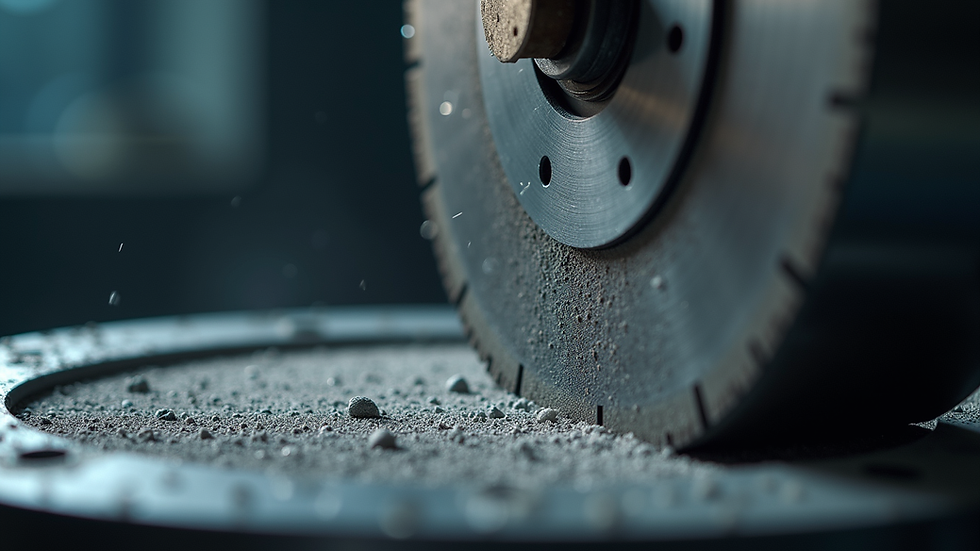
Construction and Infrastructure: Diamond saw blades and core bits are indispensable for cutting concrete, stone, and asphalt efficiently.
Jewelry and Gemstone Shaping: Fine shaping and polishing require tools that can delicately handle precious materials without damage.
These applications highlight the versatility and necessity of superabrasive tools in modern manufacturing and construction.

What Are Superabrasive Tools?
If you’re new to this topic, you might be asking, what are superabrasive tools? Simply put, these are tools that use extremely hard abrasive materials like diamond or cubic boron nitride (CBN) to cut, grind, or polish other materials. These abrasives are much harder than conventional abrasives such as aluminum oxide or silicon carbide.
The key benefits of superabrasive tools include:
Exceptional hardness: They can cut through the hardest materials with ease.
Longer tool life: They wear down much slower, reducing downtime and replacement costs.
High precision: They allow for ultra-fine finishes and tight tolerances.
Improved efficiency: Faster cutting and grinding speeds mean more productivity.
Because of these advantages, superabrasive tools are preferred in industries where precision and durability are critical.
What is an Example of a Super Abrasive?
To get a clearer picture, let’s talk about some common examples of superabrasives:
Diamond: The hardest known material, diamond abrasives are widely used for cutting, grinding, and polishing. They are especially effective on non-ferrous materials like glass, ceramics, and composites.
Cubic Boron Nitride (CBN): Slightly less hard than diamond but more thermally stable, CBN is ideal for grinding ferrous metals and high-speed steel.
Polycrystalline Diamond (PCD): This is a synthetic diamond material used in cutting tools for machining non-ferrous metals and composites.
Polycrystalline Cubic Boron Nitride (PCBN): Used for high-precision grinding of hardened steels and superalloys.
Each of these abrasives has unique properties that make them suitable for specific applications. For example, diamond tools excel in cutting glass and ceramics, while CBN tools are preferred for steel and other ferrous materials.
Practical Tips for Choosing and Using Superabrasive Tools
Now that you understand what superabrasive tools are and where they’re used, here are some practical tips to help you get the most out of them:
Match the abrasive to the material: Use diamond tools for non-ferrous materials and CBN for ferrous metals. This ensures optimal cutting performance and tool life.
Consider the bonding type: Superabrasive tools come with different bonds like resin, metal, or vitrified. Each bond type affects the tool’s cutting action and durability.
Optimize cutting parameters: Adjust speed, feed rate, and coolant use based on the tool and material. This prevents overheating and premature wear.
Regularly inspect tools: Check for wear or damage to avoid poor finishes or tool failure.
Invest in quality: High-quality superabrasive tools may cost more upfront but save money in the long run through longer life and better performance.
If you’re new to superabrasive tools, don’t hesitate to consult with manufacturers or technical experts. They can help tailor solutions to your specific needs.
Why Superabrasive Tools Matter for Your Projects
Using the right tools can make or break your project’s success. Superabrasive tools offer several advantages that directly impact your bottom line:
Increased productivity: Faster cutting and grinding speeds mean you get more done in less time.
Reduced downtime: Longer tool life means fewer tool changes and less machine downtime.
Higher quality finishes: Achieve smoother surfaces and tighter tolerances, reducing the need for rework.
Cost savings: Although the initial investment might be higher, the overall cost per part often decreases.
Sustainability: Longer-lasting tools reduce waste and the need for frequent replacements.
By integrating superabrasive tools into your workflow, you’re investing in efficiency and quality that pay off over time.
I hope this gives you a clear understanding of the role superabrasive tools play in modern manufacturing and construction. Whether you’re cutting through tough stone or polishing delicate electronics components, these tools are designed to deliver precision and reliability every step of the way. If you’re ready to upgrade your tooling or just want to learn more, keep exploring the possibilities that superabrasive technology offers. You might be surprised at how much easier your toughest jobs can become!
Comments